New Year, New Habits: Walking More With Your Dog in January
hwllo-sniffer.co.uk/new-year-new-habits-walking-more-with-your-dog-in-january
January 7, 2026
Sniffer_Admin
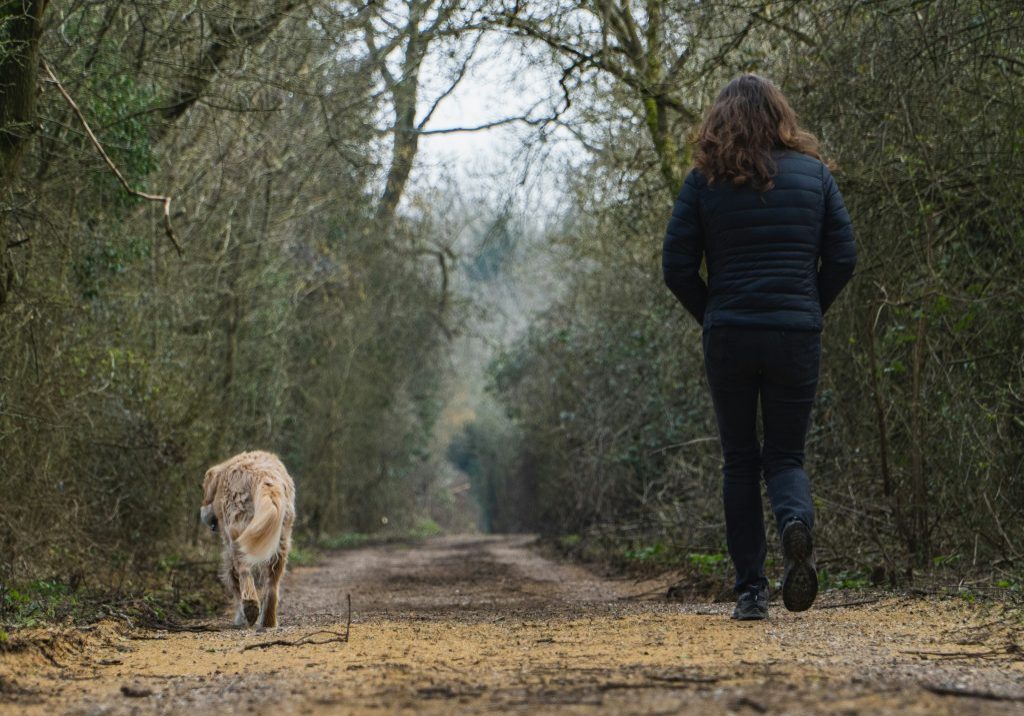
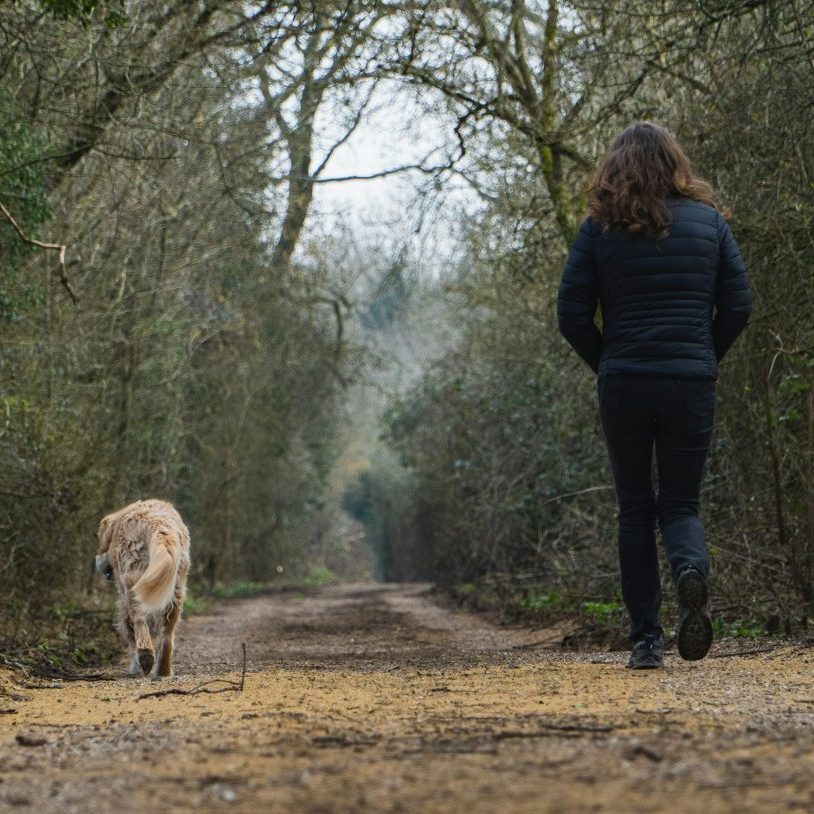
January always feels like a reset. The decorations come down, routines return, and many of us promise ourselves that this will be the year we move more, get outside more, and feel better for it. If you have a dog, you’re already one step ahead, because your dog is more than ready to help you keep that promise.
Walking more in January doesn’t need to mean exhausting hikes or ambitious fitness goals that fizzle out by February. In reality, the most successful habits are the smallest ones: steady, realistic changes that fit around real life, cold mornings and busy schedules. When you approach it this way, walking more becomes something you enjoy rather than something you feel you should be doing.
Why walking more benefits both you and your dog
Regular walking plays a vital role in your dog’s physical and mental wellbeing. Daily movement supports healthy joints, muscle tone and weight management, while also providing mental stimulation that helps reduce boredom-related behaviours at home. Organisations like the PDSA highlight how regular exercise supports both physical health and behaviour, particularly during the darker winter months when dogs may otherwise become restless.
The benefits extend just as clearly to you. Walking with your dog naturally increases your daily step count, encourages time outdoors and exposure to daylight, and provides a reliable routine even when motivation dips. Many owners also find that dog walking helps reduce stress and improve mood, especially during winter when energy levels can feel low. Add in the shared experience, and it becomes quality bonding time rather than another task on the to-do list.
In many ways, a dog is the most effective personal trainer you’ll ever have, persistent, enthusiastic and impossible to ignore.
Start small: consistency beats intensity
One of the most common January mistakes is trying to change everything at once. Grand plans like “we’ll walk five miles every day” sound motivating, but they’re rarely sustainable. A far more effective approach is simply walking a little more than you did in December.
That might mean extending your usual walk by ten minutes, adding a short evening stroll a few times a week, or choosing a new route occasionally to keep things interesting. Even parking slightly further away and walking the rest counts. These small changes add up quickly, and because they don’t feel overwhelming, they’re far easier to maintain long-term.
Consistency, not intensity, is what turns January motivation into a genuine habit.
| Focus Area | Practical Example | Why It Helps in January |
|---|---|---|
| Start small | Add 10 minutes to your usual walk | Builds consistency without burnout |
| Low-light safety | Reflective lead, collar or coat | Improves visibility during dark mornings and evenings |
| Routine building | Same walk time each day | Makes walking automatic, not effort-based |
| Mental enrichment | Slow “sniffari” walk | Provides stimulation without needing longer distances |
| Motivation tracking | Check distance or routes walked | Reinforces progress and encourages gradual increases |
| Weather flexibility | Shorter walk + indoor play | Maintains habit when conditions are poor |
| Confidence & security | GPS tracker for off-lead or dark walks | Reduces anxiety and supports safer winter outings |
| Social element | Walk with another dog owner | Increases accountability and enjoyment |
Walking safely in dark mornings and evenings
Short days are one of the biggest challenges of winter walking. January brings dark mornings, early sunsets and often slippery conditions, but that doesn’t mean you need to walk less, it just means walking more thoughtfully.
Using reflective collars, leads or harnesses can make a big difference near roads, while wearing high-visibility or reflective clothing yourself helps drivers spot you more easily. Keeping dogs on-lead in low-visibility areas, avoiding icy canal paths or steep slopes, and sticking to familiar routes when weather conditions are poor can all help reduce risk. Guidance from the Kennel Club on keeping dogs safe outdoors reinforces the importance of visibility and control during winter walks.
This is also where a GPS dog tracker becomes particularly valuable. If your dog slips a collar, gets spooked by a sudden noise or runs after wildlife in the dark, a tracker allows you to see their real-time location, follow their route and head straight to them. That reassurance alone often gives owners the confidence to walk more regularly during winter rather than avoiding outings altogether.
Using a GPS tracker to stay motivated
While GPS trackers are often associated with emergencies, they can also be surprisingly motivating. Much like a fitness watch, a tracker lets you see how far your dog actually walks, compare weekday and weekend activity, and notice patterns you might otherwise miss.
Many owners find that being able to track distance and movement encourages them to extend walks gradually or add an extra outing when time allows. Seeing progress over the course of January, even in small increments, can be incredibly satisfying and reinforces the habit of getting outside regularly.
Keeping walks interesting for your dog
If walks become repetitive, motivation tends to drop for both ends of the lead. Mixing things up doesn’t have to mean longer walks; it can simply mean different ones.
Slow “sniffari” walks, where your dog sets the pace and explores scents, provide valuable mental stimulation. New parks, woodland paths or quieter routes can refresh familiar routines, while meeting another dog owner for a walking catch-up adds a social element. Even short training games along the way can make a regular walk feel purposeful and engaging.
Mental enrichment can tire a dog just as effectively as physical exercise, which is especially helpful during colder months. (Remember, you can also create the perfect outdoor space for your dog in your own garden too, which provides extra mental enrichment.)
When January doesn’t go to plan
Not every day will be ideal. Some walks will be cut short by freezing rain, strong winds or sheer exhaustion, and that’s completely normal. Progress isn’t about perfection. It’s about walking more than last month, choosing fresh air over the sofa when you can, and gradually building confidence through repetition.
Knowing your dog is safer with tools like GPS tracking can also remove a layer of anxiety, making it easier to head out even when conditions aren’t perfect.
Final thoughts
January isn’t about becoming a new person overnight. It’s about creating small habits that support your wellbeing and your dog’s happiness through the rest of the year.
Walking more with your dog strengthens your bond, brings structure to dark winter days, and improves physical and mental health on both sides of the lead. When those walks feel safer and more manageable, they’re far more likely to stick.
New year, new habits, one pawstep at a time.